Category: Power Wheelchair
Posted by 2025-12-24 11:12
hoyer lift for sale
Hoyer Lift Buying Guide: Choosing the Right Equipment for Safe Caregiving
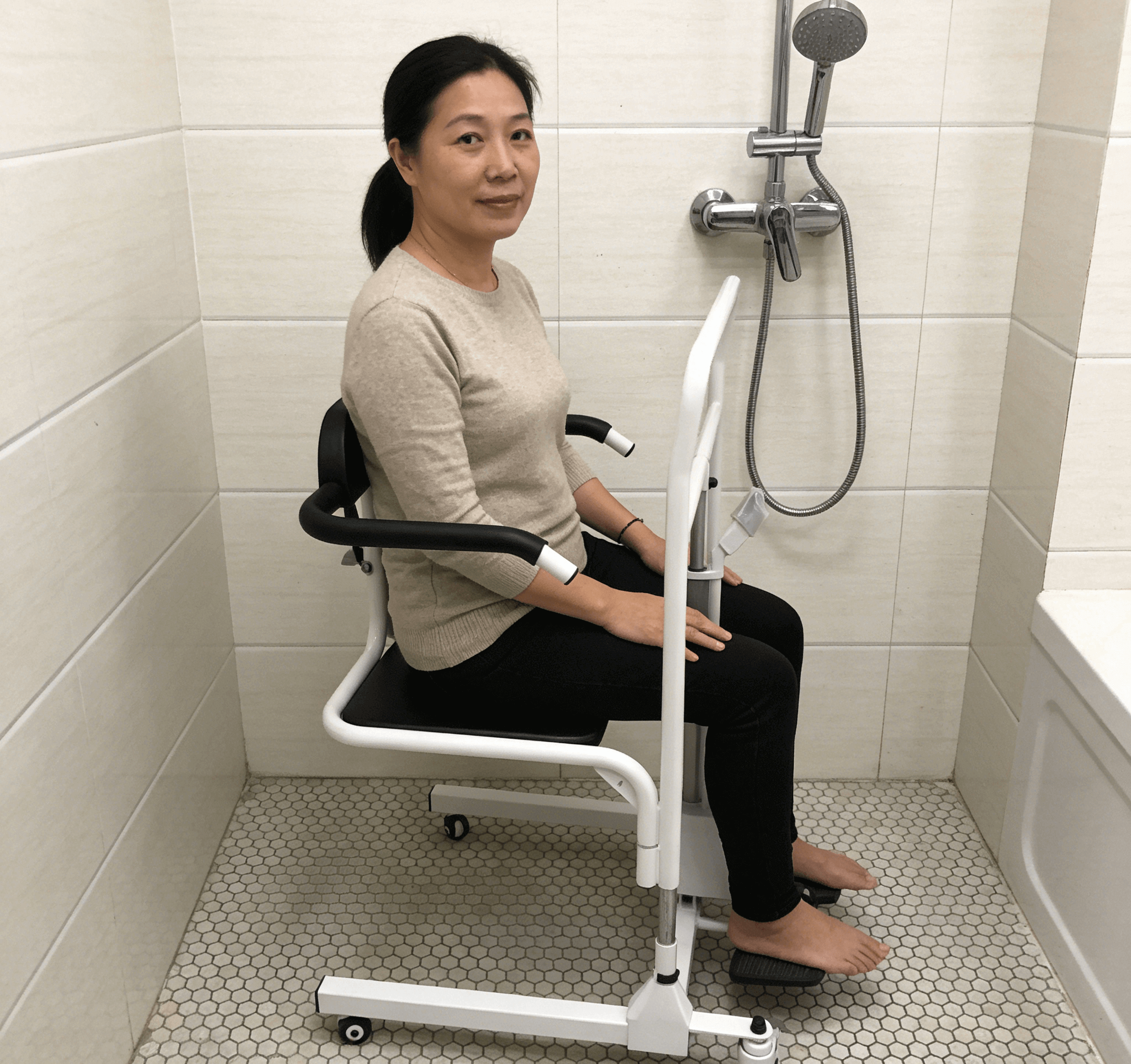
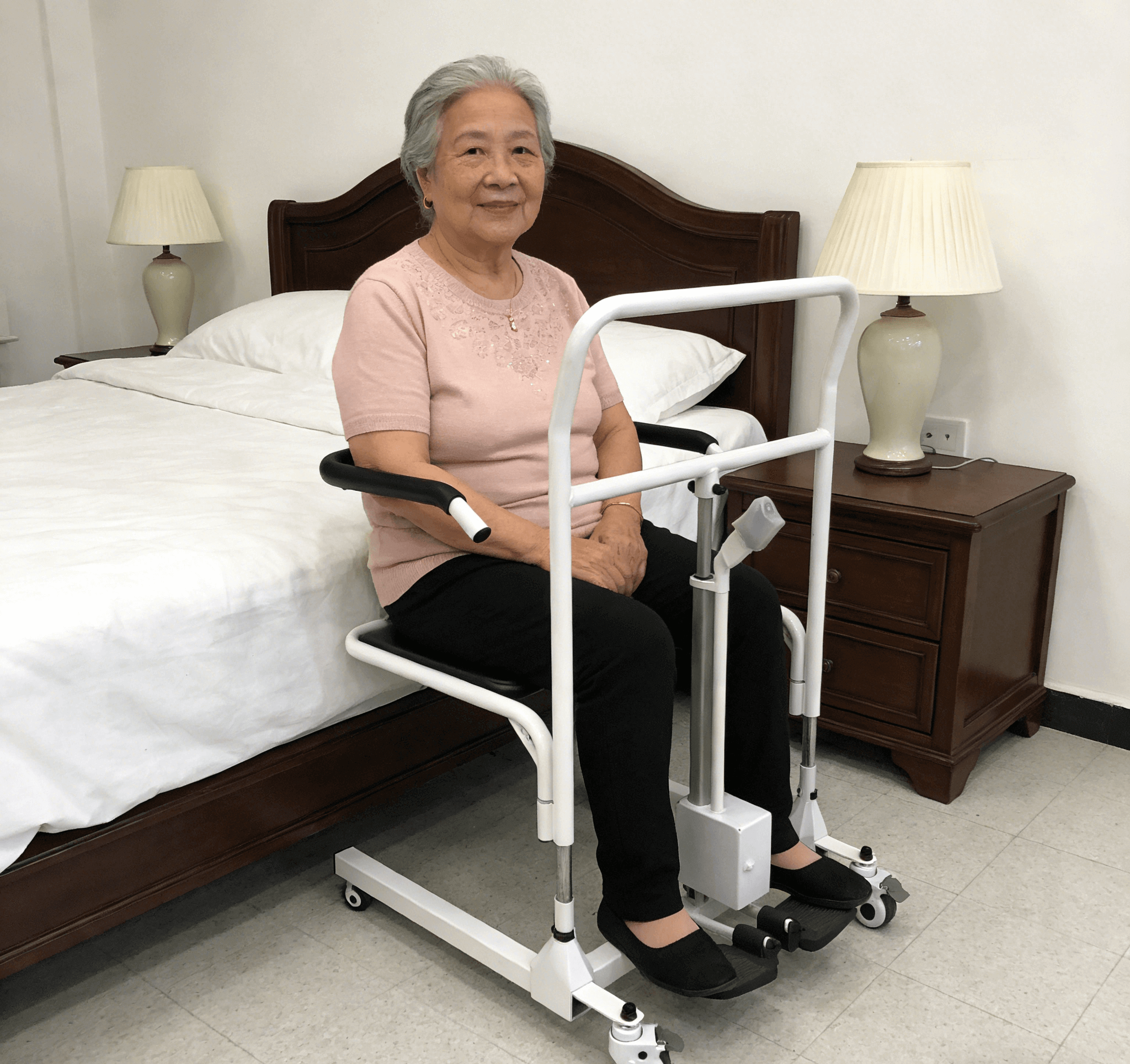
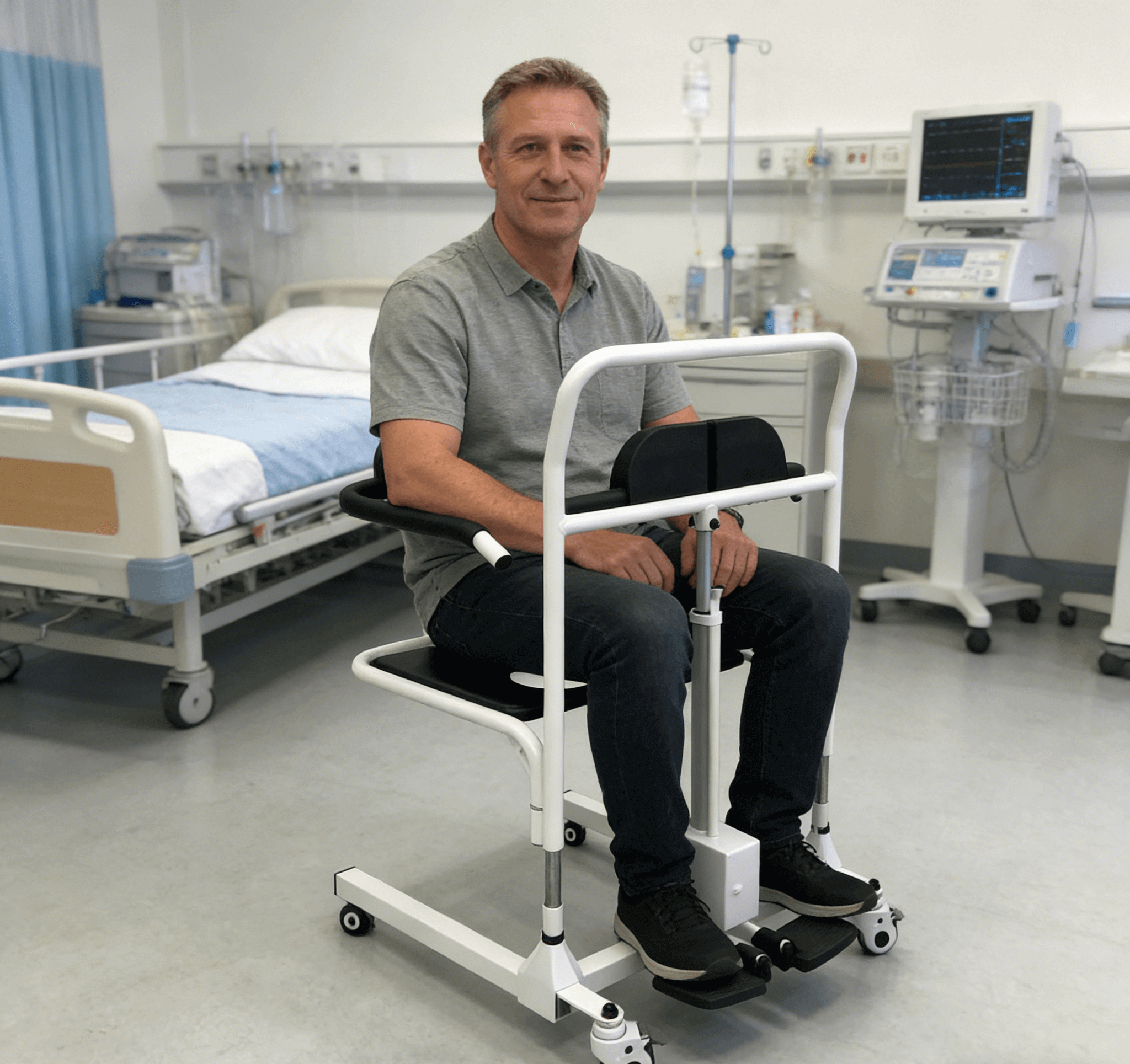
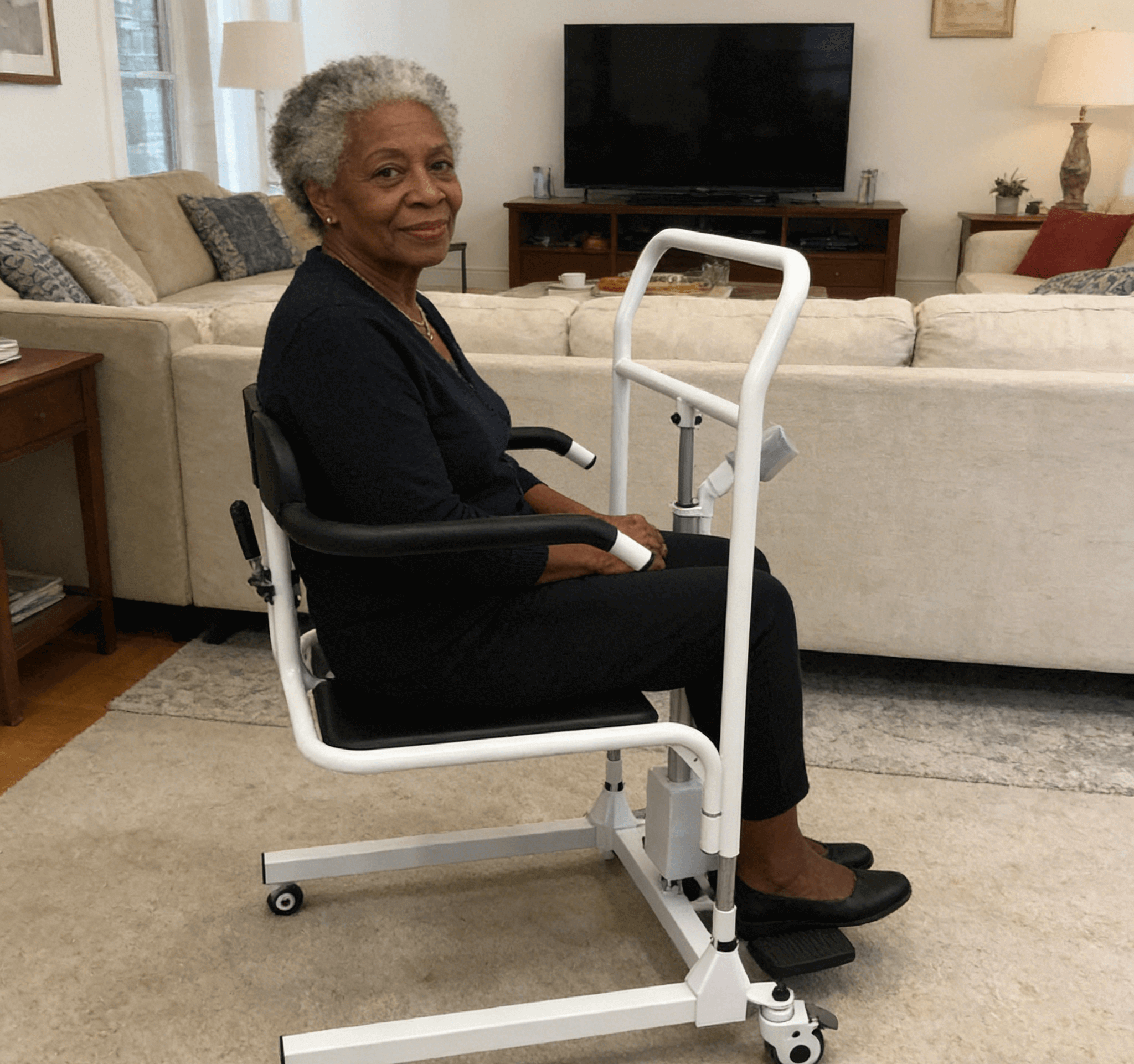
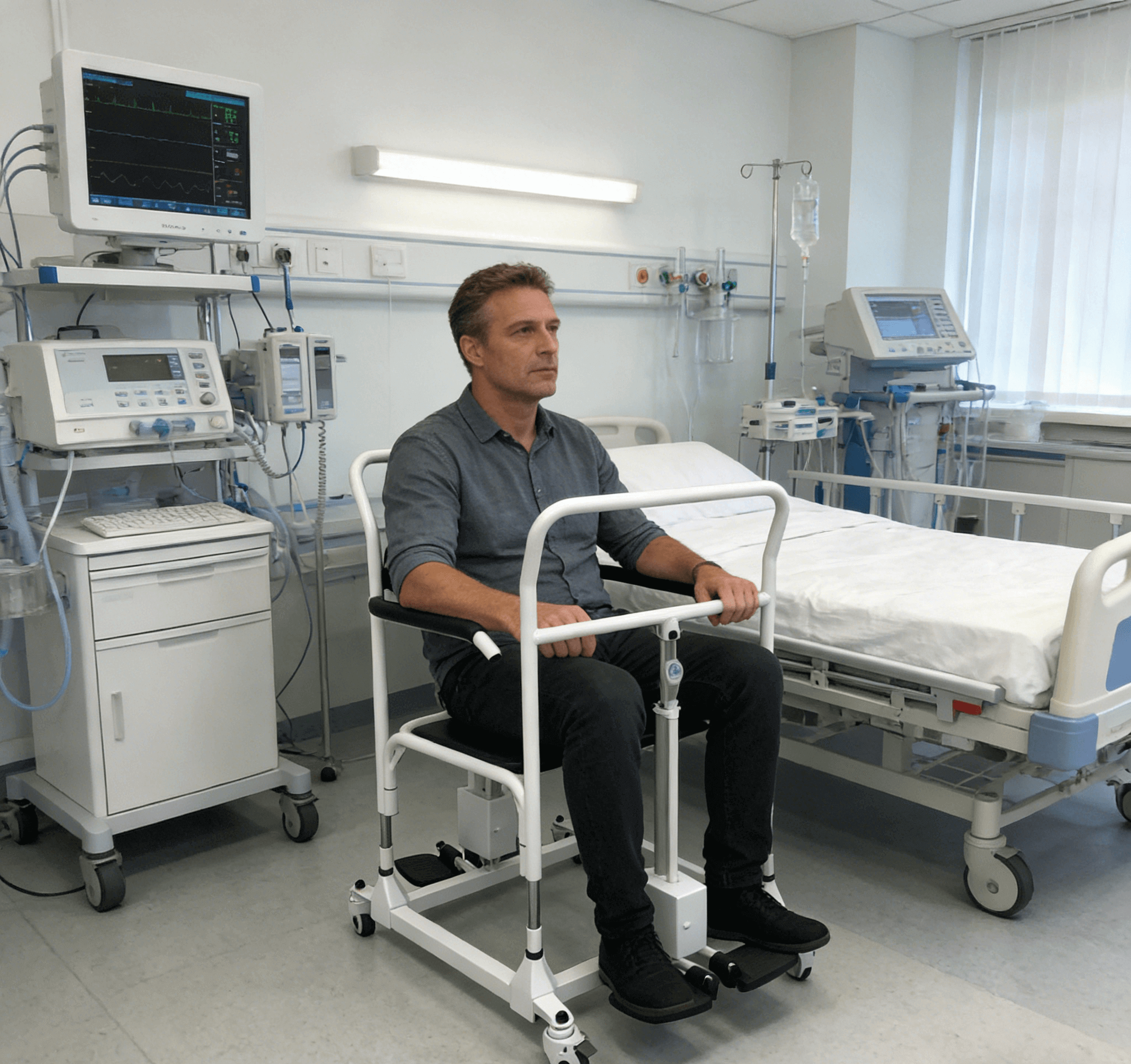
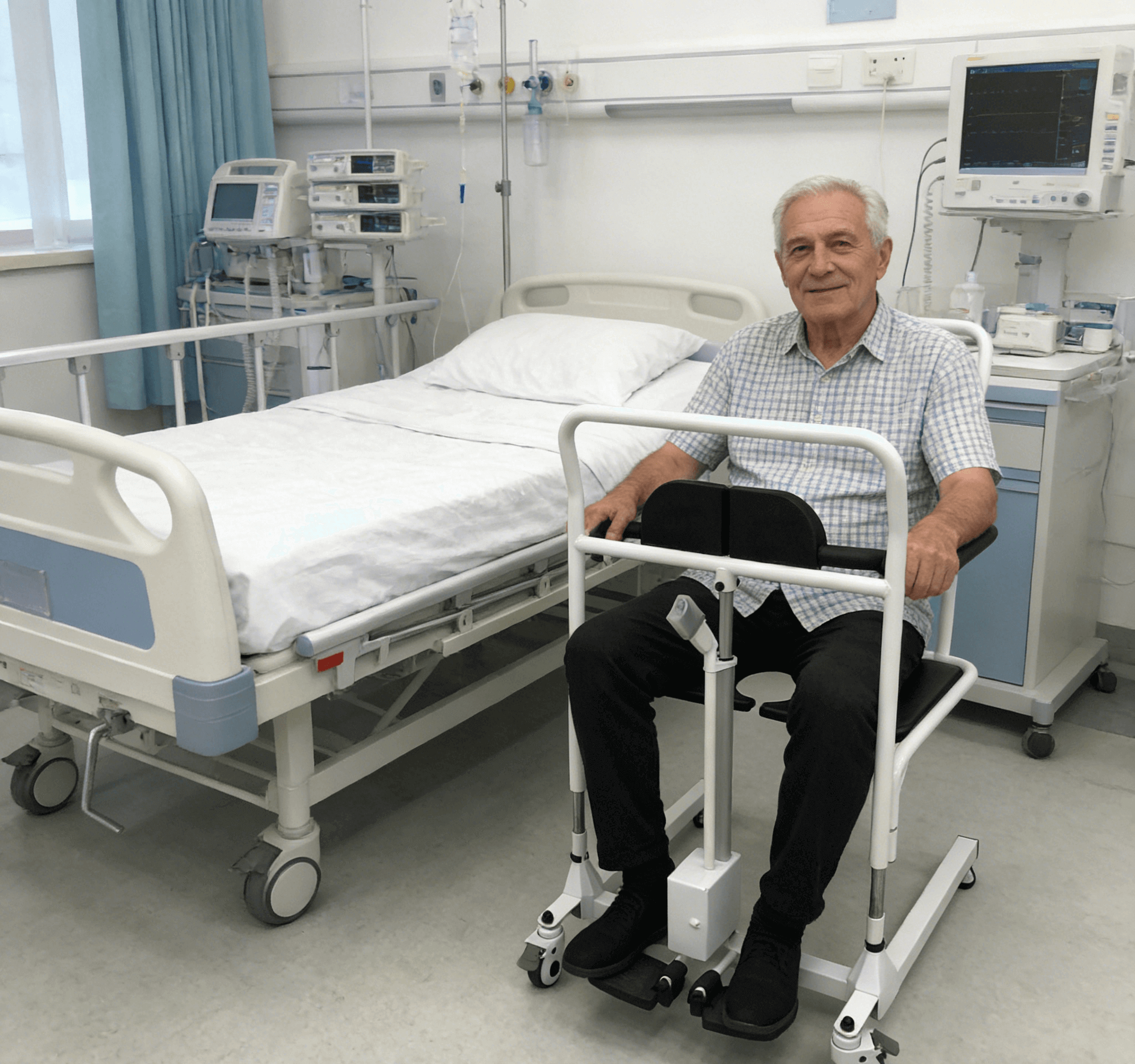
When there are elderly family members with severe mobility limitations, post-surgery rehabilitation patients, hoyer lift for sale or disabled individuals at home, safely assisting them with daily transfers—from bed to wheelchair, and from wheelchair to bathroom—becomes the most critical and challenging part of caregiving. Manual lifting is not only inefficient and high-risk but may also cause physical harm to both caregivers and care recipients. At this point, purchasing a Hoyer Lift is often an important step for families to move toward professional caregiving. However, with a wide range of products at varying prices on the market, how do you choose equipment that truly meets your needs? This article provides a clear and practical buying guide for you.
I. First, Ask Yourself: Do I Really Need to Buy One?
Before deciding to buy, it is recommended to first assess the long-term nature and frequency of your usage needs:
Scenarios Suitable for Purchase:
The care period is expected to exceed 3–6 months;
Multiple transfers are needed daily (e.g., morning/evening hygiene routines, toileting, rehabilitation training);
Family caregivers have limited physical strength or have been injured due to lifting;
Long-term home-based care has been confirmed, and there is sufficient space to store the equipment.
Scenarios Where Rental May Be Considered:
Short-term post-surgery rehabilitation (e.g., 4–8 weeks);
Long-term care arrangements are not yet confirmed;
Budget is limited, and you want to try before making a purchase decision.
If you decide to buy, the key next step is to "choose the right one" rather than "choose the most expensive one."
II. Core Buying Factors: Five Key Points
1. Weight Capacity Must Match the User’s Weight
This is the bottom line for safety. Standard models typically have a weight capacity of 136–180 kg (300–400 lbs), while bariatric models can handle 270–450 kg. Be sure to reserve a 10%–15% safety margin; never use the lift beyond its weight limit.
2. Choose the Type Based on the Usage Environment
Electric lifts: Easy to operate, with smooth lifting. Suitable for frequent use or for elderly caregivers/those with limited strength. However, they are more expensive and require charging.
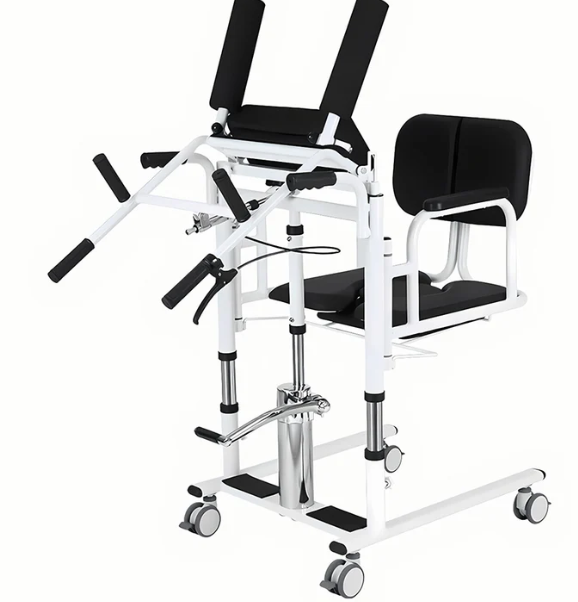
Manual hydraulic lifts: Lifted by pumping a handle, no power supply needed, and lower cost. But they require more physical effort to operate, making them suitable for occasional use.
Portable foldable lifts: The base can be folded, ideal for small living spaces or when the lift needs to be moved between multiple rooms.
3. Pay Attention to Base Design and Space Compatibility
Most home beds have limited under-bed space. Choose models with a low chassis and U-shaped or fork-shaped bases to slide smoothly under ordinary beds. Measure the width of your home’s doors, corridors, and bathroom entrances to ensure the equipment can pass through.
4. Sling Type Needs Personalized Matching
Slings are the part that directly contacts the user. Common types include:
Full-body support slings: Suitable for users who cannot maintain a sitting position at all;
Sitting slings: Suitable for users who can maintain a sitting position but cannot stand;
Toileting-specific slings: With an open design for easy transfer to the toilet.
High-quality equipment should support the replacement of multiple sling types, with universal interfaces.
5. Brand and After-Sales Service Should Not Be Ignored
Prioritize brands with a good reputation in the medical assistive device field, hoyer lift for sale such as Arjo (formerly Hoyer), Invacare, Medline, Drive Medical, and Joerns. These brands usually offer:
Formal medical device certification;
Local maintenance or customer service support;
Long-term supply guarantees for slings and accessories.
III. Where to Buy More Reliably?
Formal medical device companies: Offline stores allow on-site experience of equipment size and operation feel;
Hospital-cooperative suppliers: Often provide professional assessment and installation services;
Large e-commerce platforms (e.g., JD Health, Tmall Medical Device Flagship Stores): Check whether they have a Medical Device Operation License, and prioritize "official brand stores";
Avoid non-professional channels: Second-hand markets and unqualified online stores may have risks such as aging equipment, no after-sales service, and incompatible accessories.
IV. Key Steps After Purchase
Request on-site installation and training: Even if the product comes with an instruction manual, professional on-site guidance is still needed for the first use;
Keep invoices and warranty cards: Most brands offer a 1–3 year warranty;
Regular maintenance: Clean slings, check for loose screws, and test battery life;
Train the whole family on operation: Ensure every caregiver masters the safety process.
V. Investing in a Lift Is a Rational Expression of Love
Purchasing a Hoyer Lift may be a significant expense, but the value it brings far exceeds monetary measurement:
Avoiding a single fall may save tens of thousands of yuan in medical costs;
Reducing back injuries for caregivers and extending the years of healthy caregiving;
Allowing care recipients to maintain dignity and comfort during transfers;
Providing solid support for long-term home-based care.
More importantly, it conveys an attitude: hoyer lift for sale We are willing to love in a professional way, rather than relying solely on physical strength to endure.
Conclusion
A Hoyer Lift is not a cold machine, but a silent guardian in the family care system. In today’s era where aging and home-based rehabilitation are increasingly common, equipping those in need with a suitable lift is both a responsibility and a sign of wisdom. May you avoid detours during the purchasing process and bring safer, more peaceful days to your loved ones.
Warm Tip: In some regions, Hoyer Lifts have been included in the long-term care insurance (LTCI) or disabled assistive device subsidy catalog. Before purchasing, you may consult the local community service center or medical insurance department to learn about policy support.
If you want me to recommend specific models based on your specific needs (e.g., user weight, city of residence, budget range), or provide comparisons of mainstream domestic and foreign brands, links to purchasing channels, etc., please feel free to let me know—I can further customize the information for you.